During the last Food Expo , S.I.A.L in Paris, a focus was put on Personalized Nutrition, a recurring topic in Nutrition (congresses, trade shows, articles). Here is a summary:
Personalized nutrition refers to all food offers that are adjusted to an individual or a given situation, not only according to a health objective, but also according to a pace of life, a budget, a constraint, a culture or a conviction. It ranges from composition to format (portion), to use (snacking), to data-driven personalization (metabolic profile, microbiome, tracking).
If the subject is gaining so much importance, it is because consumers are looking to regain control of their daily lives. Between mental fatigue, preventive health, household fragmentation and digital influence, food is becoming a concrete, immediate and modular tool. Because of their connection to the world and to networks, they are over-informed and therefore ultra-aware of their bodies, their needs, possibilities and alternatives, impacts, etc. With the multiplication of influences, consumers are becoming experts themselves. They listen to themselves more, observe and therefore adapt their diet according to the recommendations and what they learn.
There are six key factors that help explain this transition:
Health and metabolic pressure: the progression of digestive, inflammatory and metabolic disorders is pushing towards a more targeted and preventive diet.
Better access to biological data: Blood glucose, microbiome, DNA, and personal sensors make the body’s reactions measurable, and create an expectation of precise adjustment.
Accelerated lifestyles: Consumers are looking for fast, portable, and fragmented rhythm support.
Social and cultural influence: Social networks and communities shape preferences and accelerate the adoption of new dietary codes.
Micro-segmentation of the offer: the market is structured by functional benefits (energy, sleep, cognition, hormonal, blood glucose, etc.) rather than by product categories.
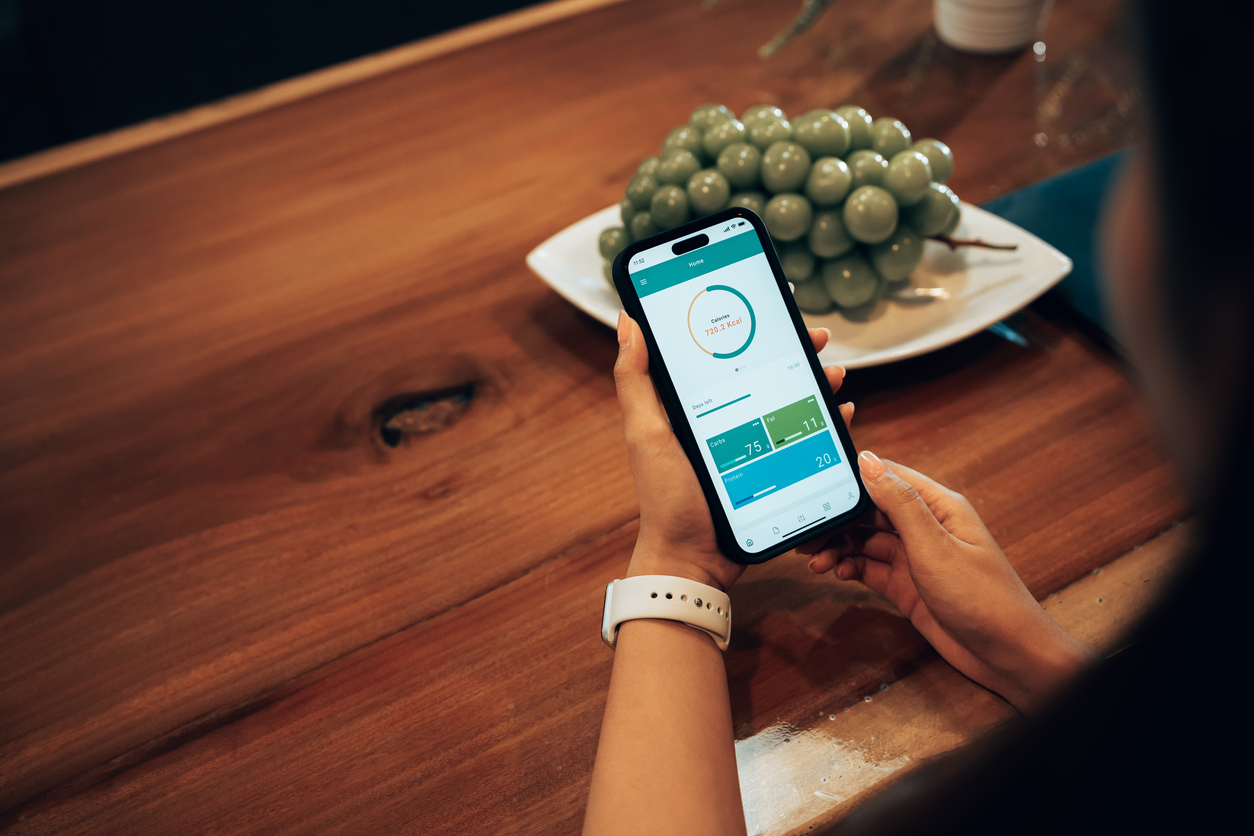
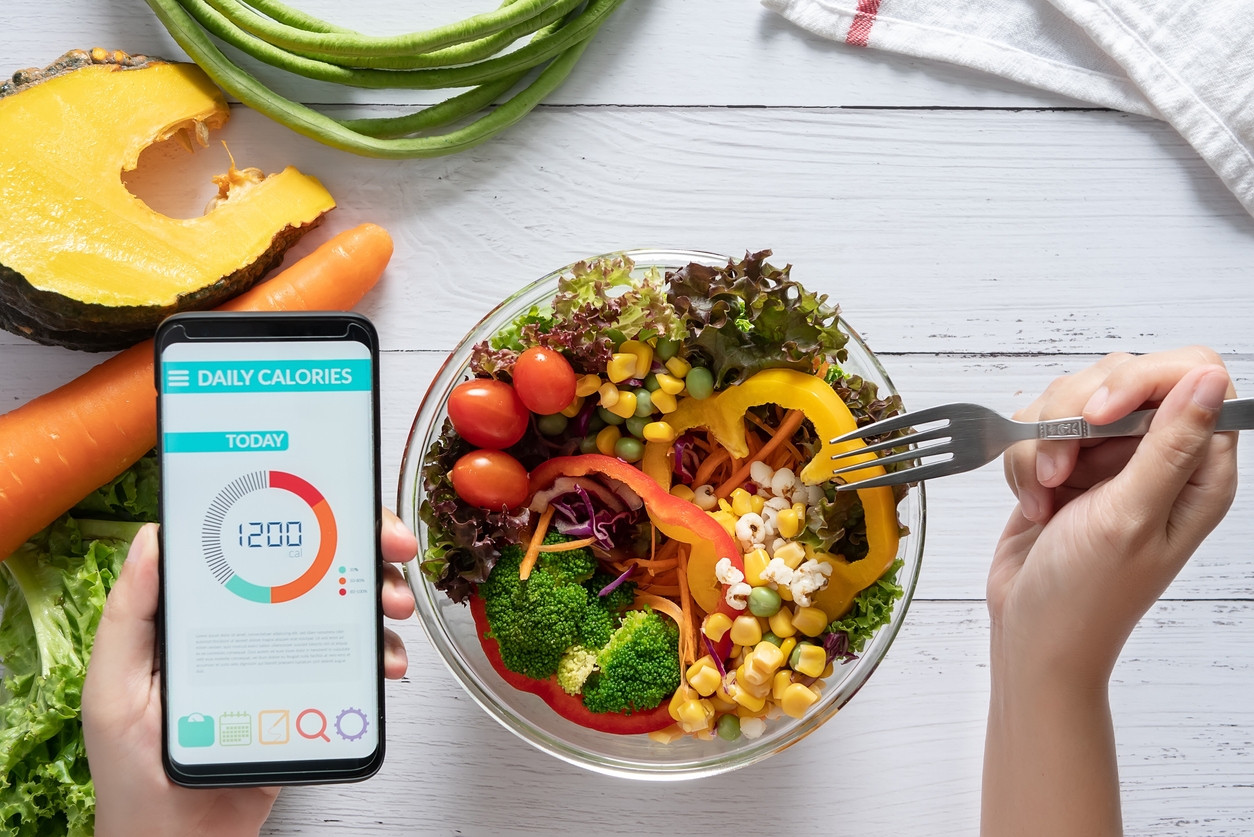
Many apps are now available to help individuals manage both their activity and their diet. Examples include (but are not limited to), Food4Mood, Freeletics, Nutrimap, Nutrium, RxFood, Grity. The offer is very diverse and ranges from the simplest (connected watch applications) to the most complex (with metabolic dosages, dietary advice, etc.).
The most illustrative thing is to see for yourself by going to the sites describing these applications.